Film ·
Giving up hope is the most powerful form of optimism we have left
By Simone Resigotti
Listen
“Even if we don’t want to admit it, we have already reached the end of the world. We don’t yet quite know what shape this end will take, but we know for sure that we have reached it.”
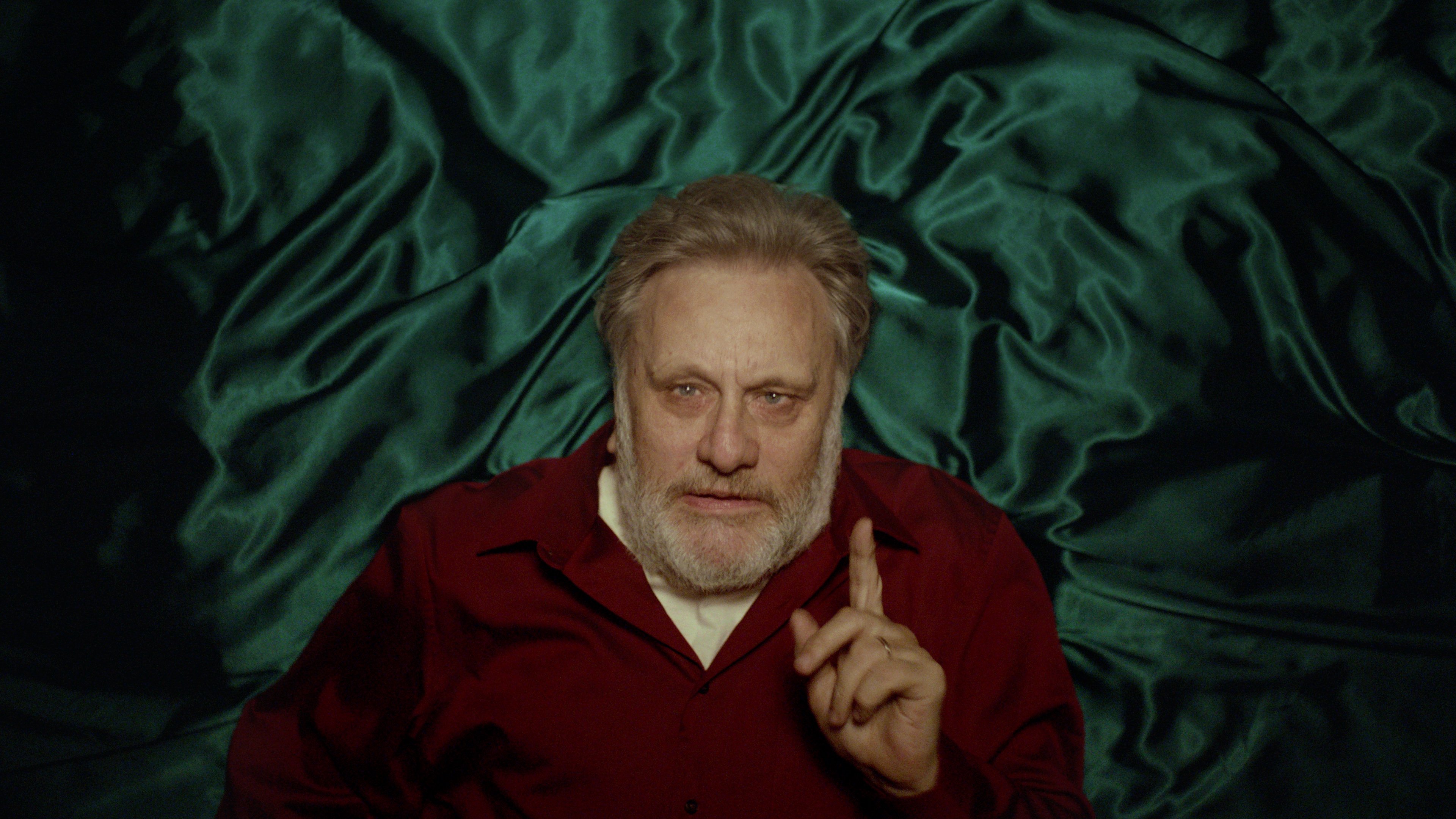
These are the words that stay in your head after the talk that followed the world premiere of The Pervert’s Guide to Utopias, the latest film directed by Sophie Fiennes on the thought of Slavoj Žižek, one of the best-known and most controversial contemporary philosophers and political theorists. Born in Ljubljana in 1949, he brings together Hegel, Marx and Jacques Lacan’s psychoanalysis, applying them to politics, culture, contemporary society and above all cinema. Žižek, in fact, talks about films all the time. For him cinema is a laboratory for observing reality, through which to answer the questions of our faulty age.
The Pervert’s Guide to Utopias, shown out of competition at the Venice Film Festival, concludes his twenty-year collaboration with Sophie Fiennes, which began in 2006 with The Pervert’s Guide to Cinema and continued with The Pervert’s Guide to Ideology (2012). A work that, through films, states bluntly that change is not a possibility but a necessity to be embraced with force.
And yet, in a world where we watch the decline of Western civilisation from the roof of an inevitable climate crisis for which we alone are responsible, changing things has become more and more impossible. And it is a film in competition at Venice that tells us so: Wild Horse Nine - Martin McDonagh’s latest - when the protagonist, played by John Malkovich, says that the only way to really change things is to shoot on sight and kill everyone responsible for this catastrophic stasis.
So, in this tragic moment, what is the role of art?
We at arteismo have been asking ourselves this for a long time. This question has been the fuel for the engine of everything we do.
And perhaps, now, a fragment of an answer can come from Žižek himself, with his caustic objectivity, when he tells us that hope is no longer valid. Because hope is the excuse of those who do not want to act.
It is an ideology that comes to our rescue, opening our eyes to how human beings can be fully aware that a given social mechanism is absurd and still keep behaving according to it. Just think of Instagram: we know perfectly well that it creates unrealistic expectations, that influencers sell a manufactured lifestyle and that the advertising system manipulates our desires and kills our peace of mind. And yet here we are, reading yet another post, aware of everything, but still taking part.
For years Žižek has been trying, in every way possible, to make us look in this direction through the lens of film. And it is lovely to think that some kind of guide to change might pass through cinema, this wonderful machine that produces fantasies and teaches us how to desire, never merely representing reality but helping to build the way we imagine it.
And so, in this tragic moment, giving up the comfort of hoping will be the spark that makes action the only real possibility for change. And perhaps we will start looking elsewhere. And we will turn to art. Because art will have the power to imagine another reality and then portray it, in the most accurate and beautiful way possible, so that as many people as possible can experience it and learn to desire it so intensely that they have the courage to burn everything down to see it happen.