Film ·
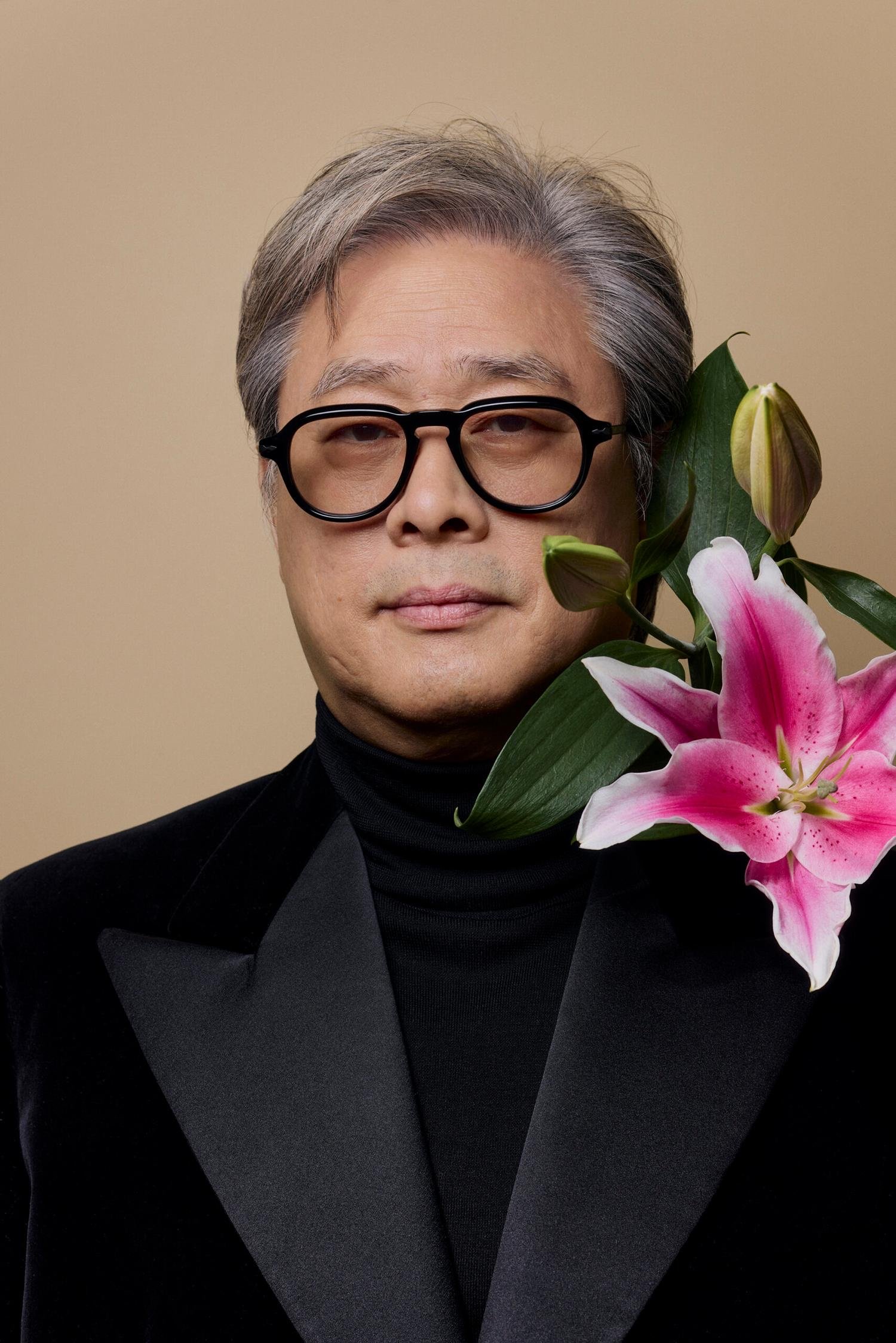
Park Chan-wook: Give it your all, even if you won't change the world
By Simone Resigotti
Listen
The award-winning director Park Chan-wook, fresh from serving as President of the Jury at the 2026 Cannes Film Festival, came to Italy for two exclusive events in Milan, as a guest of the 27th edition of La Milanesiana.
We were invited to the press conference that preceded the presentation of the Homage to the Master award and a special marathon of screenings devoted to some of the most emblematic titles of his filmography: from the Vengeance Trilogy (2002-2005) to his latest masterpiece, No Other Choice (2025). On this occasion the director shared his view on the role of cinema today and offered precious glimpses into his personal approach to the seventh art.
One of the first topics was the role of music, always a cornerstone of the Korean director’s poetics. Park Chan-wook revealed that his works rarely start from a musical input, but that Decision to Leave was the classic exception to the rule:
“During the time I spent in London making the BBC series The Little Drummer Girl, homesickness for Korea led me to listen again to the Korean songs of my youth. It was that very music that sparked the love story in the film.”
While in most cases the soundtrack is defined afterwards - like the careful selection of Baroque music and the strong Vivaldi influences in Lady Vengeance - for No Other Choice the process was different: the director confessed that Mozart’s notes were playing in his head from the very first line of the script.
As for his future projects, Park Chan-wook revealed that his next film will be a western. A choice of genre meant to explore the violence that accompanied the building of American society, and how the whole nation was founded on it.
The director also admitted the inevitable link with the Italian tradition:
“I am under the influence of Sergio Leone. I have no intention of imitating his style, but I would like to capture his spirit.”
But it is when asked whether cinema still has the power to change humanity that he gives an answer worth remembering: “When I ask myself whether cinema, or art in general, can really change people or society, I am often overcome by a deep sense of helplessness. I think about this: what kind of person, watching a great work of art or a film, is able to change and become a better person? Someone capable of that is, in fact, already a good person. So even if we made an extraordinary film criticising fascism, would it really change a fascist’s mind? Aren’t the only people who would be moved by that film those who already have a critical view of fascism?
Even with these thoughts, I believe that in the end all we can do is give it our all. Whether or not anyone is willing to listen to this voice, we have no choice but to give the best of ourselves, continuing to do this work and striving at all costs for artistic excellence, so that the work never turns into a mere political pamphlet or propaganda.”