Music ·
Maracaibo is not a happy song
By Alessandro Gessaga
Listen
We rarely stop to think about a song’s lyrics when it is a frivolous-sounding dance track and what surrounds you is a New Year’s Eve party, an Italian square full of conga lines and cheer. But Maracaibo actually tells the bitter story of Zazà, a Cuban dancer who performs naked at the “Barracuda” club and runs guns.
The song was written by David Riondino, who passed away on 29 March at 73; later reworked by Lu Colombo in 1975, it was turned down by several record labels because of its “awkward” lyrics.
The song is often associated with Jerry Calà, who performed it on several occasions - remember “Vacanze di Natale” (1983), with Christian De Sica shaking himself and the maracas at the piano bar.
At its centre is the story of Zazà, who is not an onomatopoeia to liven up the chorus but a Cuban dancer performing naked at the “Barracuda” club. This job, however, is a cover: between one dance and the next, Zazà runs guns for the revolutionaries, dealing in machine guns and bazookas.
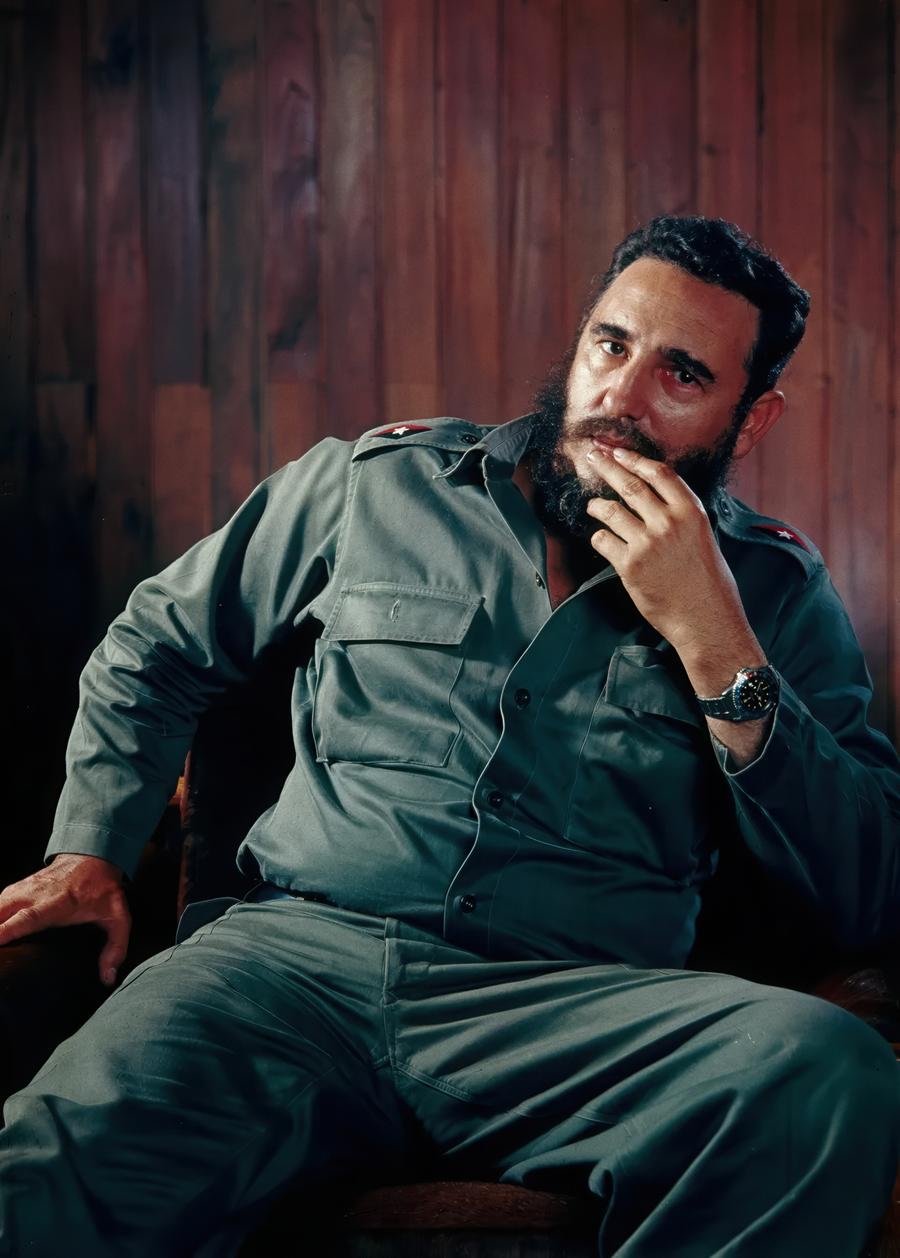
While she thinks of Pedro, she is in love with Fidel Castro, whom the record label decided to rename “Miguel” to avoid censorship (in the version sung by Riondino, Fidel is back).
When the song says “Miguel non c’era, era in Cordigliera da mattina a sera” (Miguel wasn’t there, he was in the Cordillera from morning till night), it refers to the vast system of mountain ranges in the Americas, where the Cuban revolutionaries were hiding.
With “Miguel” away, Zazà found comfort in Pedro’s arms. “Tornò Miguel, tornò, la vide e impallidì. Il cuore suo tremò, quattro colpi di pistola le sparò. Maracaibo, mare forza nove, fuggire sì, ma dove, Zazà.” (Miguel came back, he saw her and turned pale. His heart trembled, he fired four shots at her. Maracaibo, force nine sea, run away yes, but where to, Zazà.) One day, unannounced, Miguel returns from the Cordillera and, finding them together, fires four shots. Zazà is forced to flee by sea towards Maracaibo, when a “force 9” storm throws her into the water, where she is bitten by a “black-finned” shark.
Zazà survives, but scarred and disfigured she stops performing herself. She also loses Miguel, her contact in the Cuban arms trade. So she becomes a madam with 23 mulatto girls working for her, in a brothel where rum and cocaine flow.
Grown to 130 kilos, she nonetheless remains the grand queen of the brothel. The song ends with the poetic image of her showing her luckiest customers the indelible mark of that attack at sea, which she managed to survive.
“Se sarai cortese ti farà vedere nella pelle bruna una zanna bianca come la luna.” (If you’re polite she’ll show you, in her brown skin, a fang as white as the moon.)