When architecture becomes a barrier
By Alice Luigetti
Listen
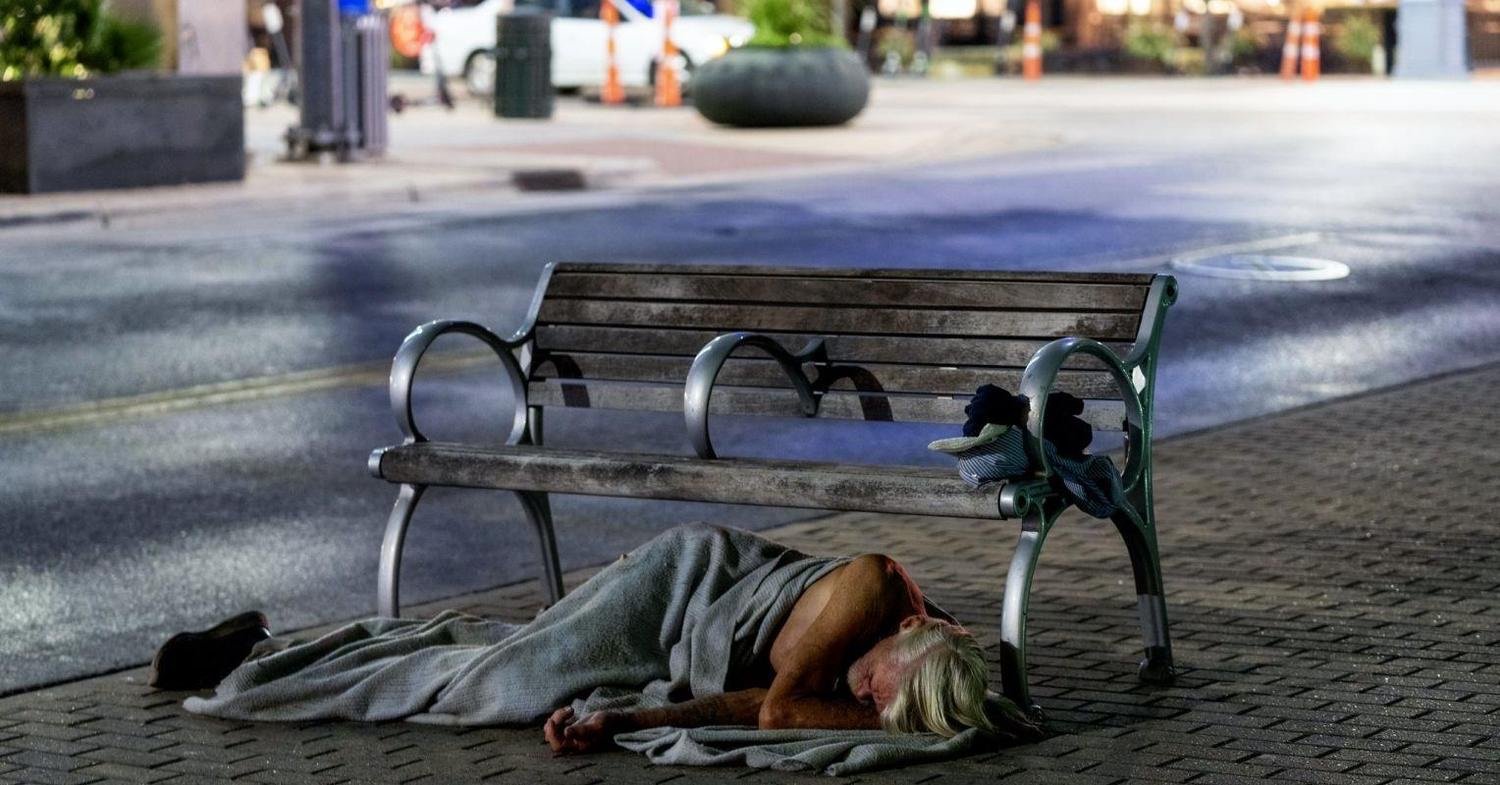
There are details in our cities that reveal the bodies we want to ignore more than the ones that actually live there.
These signs, almost always invisible, hide in street furniture and blend into daily routines. This is the concept of hostile architecture, also known as defensive design, whose aim is not to make cities more liveable, but to exclude.
A closer look is enough to notice metal spikes, sloping seats, armrests in the middle of benches, uneven surfaces, awkward corners. They are details that tell of a precise plan: to prevent people from stopping, to deny rest, to reject those who have nowhere else to go but public space.
This form of social control is silent and imposes itself through the design of spaces. It does not just draw obvious boundaries; it acts on the layout of places, making the presence of certain people impossible. It does not answer real needs but generalised fears, often justified as demands for security or order. The underlying idea is that shared spaces should be crossed quickly, consumed and monitored, never lived slowly, nor occupied by those who do not contribute to consumption or ownership. In this way, instead of welcoming diversity, it flattens it; instead of including, it excludes. Street furniture becomes a code - materials, slopes, interruptions - that decides who has the right to stop and who does not.
What is known as hostile - or anti-homeless - architecture is made up of design solutions meant to make public spaces inhospitable and discourage behaviour considered inappropriate, such as sitting too long or looking for shelter. It is a selection mechanism that penalises the most vulnerable, working through urban design: it decides who may stay and who must be removed.
Benches are a striking example: what was once a place to meet and pause has been turned into a device of exclusion. Architectural changes - adding armrests, creating sloping surfaces - stop people from lying down, resting, or simply inhabiting public space for a while. The urban environment thus becomes a tool for pushing people away rather than taking them in. It is not just about decorum or safety, but about a logic of subtraction, a violence that becomes the norm, often disguised as urban innovation.
In 2003 the French artists Stéphane Argillet and Gilles Paté responded to hostile architecture with a performative, subversive act. Their project, titled “Le repos du fakir” (The fakir’s rest), is a video in which Argillet throws himself into a series of extreme poses in an attempt to “sleep”, or rather to adapt, among the hostile structures scattered across Paris. His body bends, twists, adapts like a modern fakir, looking for rest where rest has been denied. An action that becomes testimony: the simple attempt to sleep is already an act of resistance.
With irony and rigour, “Le repos du fakir” shows how complicated it has become to inhabit public space without consuming. The artist’s body becomes a critical tool, a living indictment of the absurdity of hostile design, where architecture, which should meet human needs, turns into an invisible barrier, a language that excludes. It is no longer architecture that welcomes, but architecture that filters; not a place of protection but of punishment, one that turns hardship into guilt and marginalisation into a question of aesthetics.
Argillet and Paté’s work is more relevant today than ever. Cities keep developing ever more sophisticated control devices: anti-sitting surfaces, stones that stop people lying down, but also privatised public spaces, governed by commercial logic and watched by cameras. Hostile architecture is just one of the many expressions of an idea of the city designed for those who produce, move and consume. A city that excludes the bodies that do not fit this logic.
Projects like theirs do not set out to solve the problem but to make it visible. They expose the paradox: in places that should be open to everyone, some people are systematically shut out. Here the artist does not look for a solution but makes an interruption, a poetic detour that forces us to stop and think. Through the extreme gesture of a body bending, Argillet questions what we take for granted: the freedom to be somewhere, to linger, simply to be present.
In an age when everything tends to speed up and be privatised, “Le repos du fakir” reminds us that inhabiting a space is a right, and that every obstacle designed to prevent it is a political choice. A choice that says far more about who we want to exclude than about who we think we are protecting.