Art ·
“Coolness” as a measure of relevance in art
By Martina Fettolini
Listen
What is cool, really, and why does it seem to no longer work as a measure of relevance in art today?
The artist and critic Sean Tatol, active in the New York scene and a keen observer of its cultural dynamics, describes cool as a historically central quality of modern art. Not a matter of style or taste, but of a work’s ability to embody its time, to make it recognisable through forms, gestures and sensibilities that let viewers rediscover the world they live in.
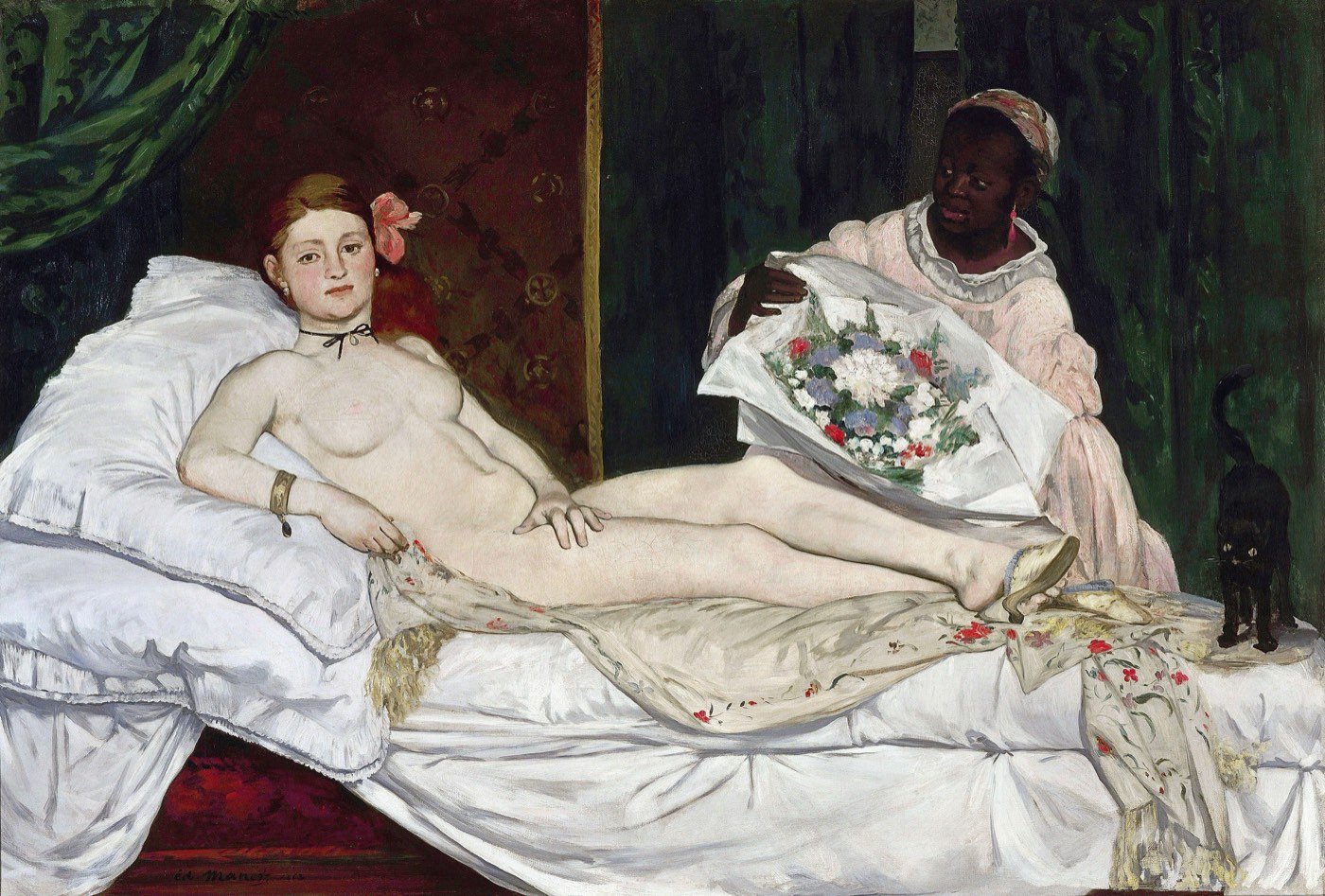
It is a legacy going back at least to Baudelaire, when the artist represented modernity not as mere visible reality but as a sensory experience made of perceptions, tensions and feelings. In this sense, works like Manet’s Olympia, Duchamp’s readymades or Jasper Johns’s Flag matter, and were considered cool in their time, because they managed to intervene in their own present, making visible something deeply contemporary, often disturbing and irreducible to the dominant cultural conventions.
Tatol’s cool, then, lies in relevance to the present and in the ability to produce relevance. For much of modern art, generating “the now”, giving form to the present moment, was the real symbolic capital, the ground on which cultural competition was played out. But according to Tatol, this mechanism has jammed. Cool, which once worked as a kind of licence granted to the artist (letting them work without the constant anxiety of having to prove their relevance), has itself become the goal. A rare quality, pursued as a commodity, mistaken for a value in itself and emptied of its generative function.
What makes it even harder to produce works truly relevant to the present is the lingering weight of modernist expectations. The idea of the “shock of the new”, of novelty as a value in itself, still steers artistic practice even in a radically changed context. In the age of the smartphone, hyper-visibility and the overproduction of images, surprise has worn out, and the conventions art has historically used to signal its newness now look threadbare. Many gestures that once seemed subversive now come across as predictable, sometimes even mannered. Artists know the power of the new has weakened, but they struggle to imagine how to replace it without falling back into forms of contrived novelty.
At the root of this impasse lies a crisis of identity. A widespread sense of insecurity, fuelled by the way digital technology has transformed experience. The artist is more and more a “networked individual”: free and flexible, but also isolated, exposed, constantly required to be visible, to perform themselves, to find their way in a diffuse, abstract social environment. Recognition comes as weak, intermittent signals (mainly likes, views, fleeting attention) that feed the anxiety of presence without ever settling it.
In this context, cool struggles to survive, because it is born of a dialectic between inner life and social scene, between solitude and immersion, between quiet work and public appearance. A dialectic the digital tends to weaken, fragmenting attention, colonising private space and turning social performance into a continuous sequence of visible micro-gestures.
Attention fragments, presence thins out, imagination and social performance lose intensity. This is where Tatol places the “death of cool”, understood not as the end of art but as the exhaustion of a cultural logic. The end of an idea of coolness that for decades guided artistic production, and that today no longer seems able to bear the weight of the present.