The Last Days of Pompeo: Andrea Pazienza and the art of comics
By Simone Resigotti
Listen
“Guts on the table”
That is how Andrea Pazienza, considered by many the greatest Italian comic artist, described Gli ultimi giorni di Pompeo (The Last Days of Pompeo). First published in 1987, a year before his death at just thirty-two, it is not simply a comic but an emotional autopsy, a literary and personal testament with the power to drag the reader down to immeasurable depths.
Pompeo is also a diary and a political account of 1980s Italy, crushed by the darkness of heroin and seen from inside its abyss. Pazienza takes the reader into the pit of his personal hell, showing the hidden folds of human fragility and bringing them back to the surface with disarming tenderness.
It is impossible not to be on the side of Pompeo, the author’s alter ego, as he falls with merciless lucidity. Because Pazienza does not build an aesthetic: he just tells the truth, and he tells it the way you tell a pain - without rules.
Roberto Benigni, remembering him, wrote:
“There was never anything sappy in his work; he was always hard, but hard the way a child can be. He saw everything as if for the first time. His drawing was extravagant, a rigorous chaos. His texts came from spoken language; he was a great poet, a true linguist, because his writing was the fruit of an innate literary genius.”
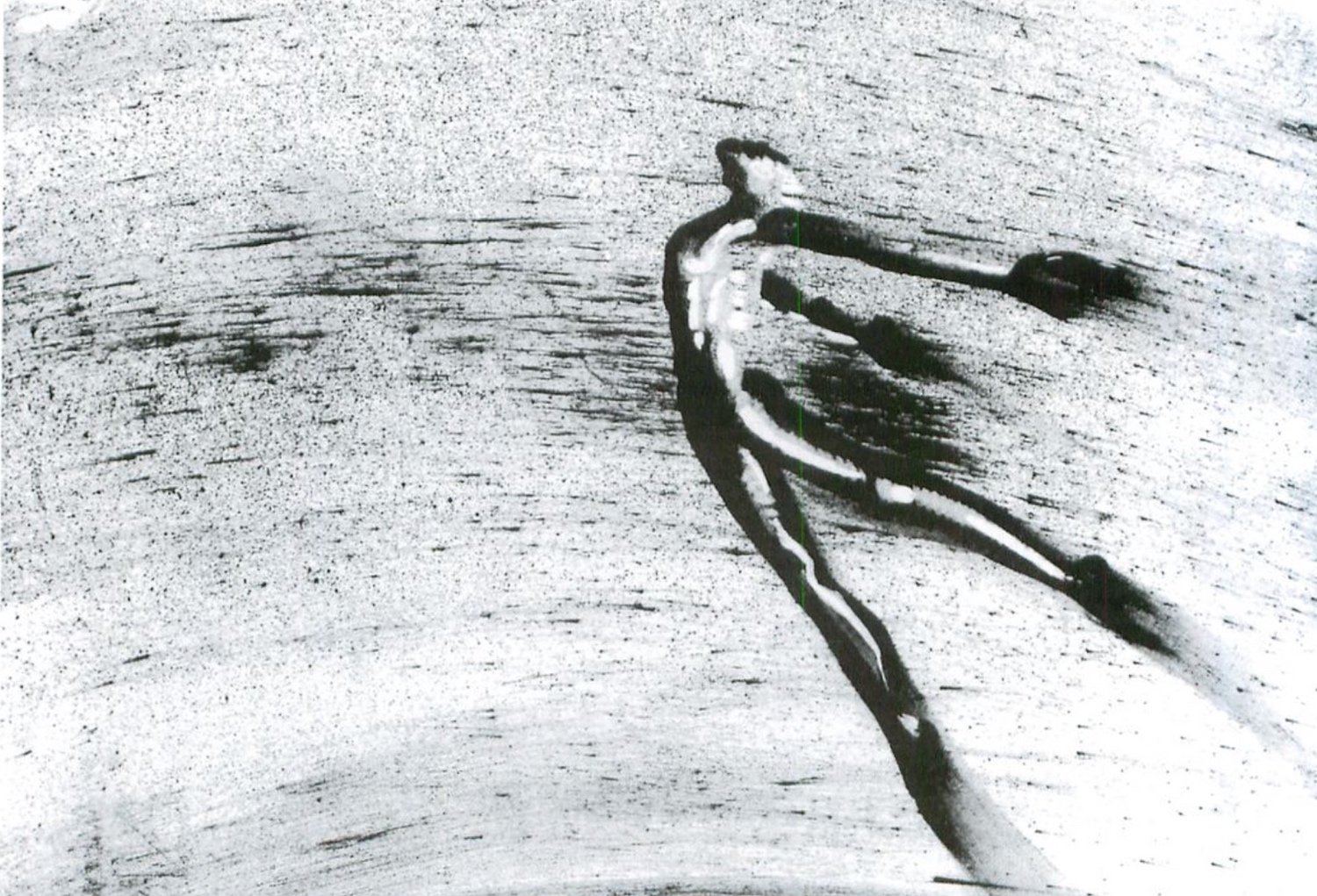
In the latest Coconino Press reprint, the introduction by Vasco Brondi describes Pompeo in the words of one of its pages: “like a tragic actor, a Shakespeare drama in the provinces”. And indeed it is. But it is also an unrepeatable work that blends different art forms: the pages break every layout convention, the text merges with the drawing, speech balloons are almost absent and some pages stop being comics and become paintings. And then there is the poetry and lyricism that creep into the language, giving life to a unique kind of writing, somewhere between drama and epic poem. All written and drawn in felt-tip pen on whatever paper was at hand - sometimes lined, sometimes squared, sometimes blank.
An undisputed genius of drawing from his earliest childhood, Pazienza had an innate ability to take reality, break it down into its essential lines and give it back to the reader with the pain of an exposed nerve. Reading and looking at Pompeo means witnessing a piece of history as it happens. And inevitably, after reading it, the way you look at reality changes. You start noticing the outlines of things, and everything appears raw and authentic.
That is the power of comics: turning a pen and a sheet of paper into endless possibilities of representation that can be looked at as well as read. And that is also why The Last Days of Pompeo is a timeless work, on a par with the great classics of Italian literature, and perhaps even a little more, because as well as telling, it shows, as only comics can.